
 Image 1 of 8
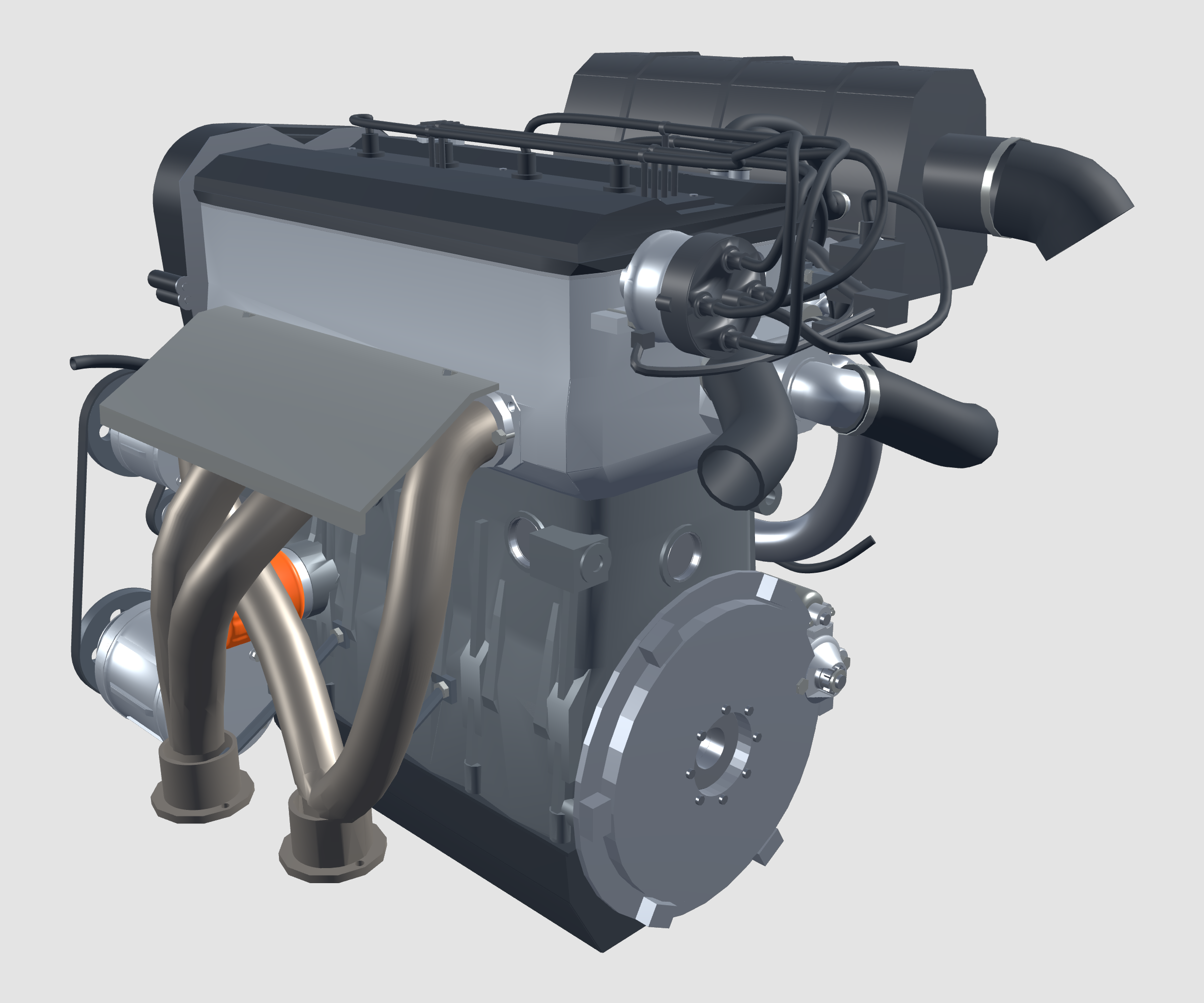 Image 2 of 8
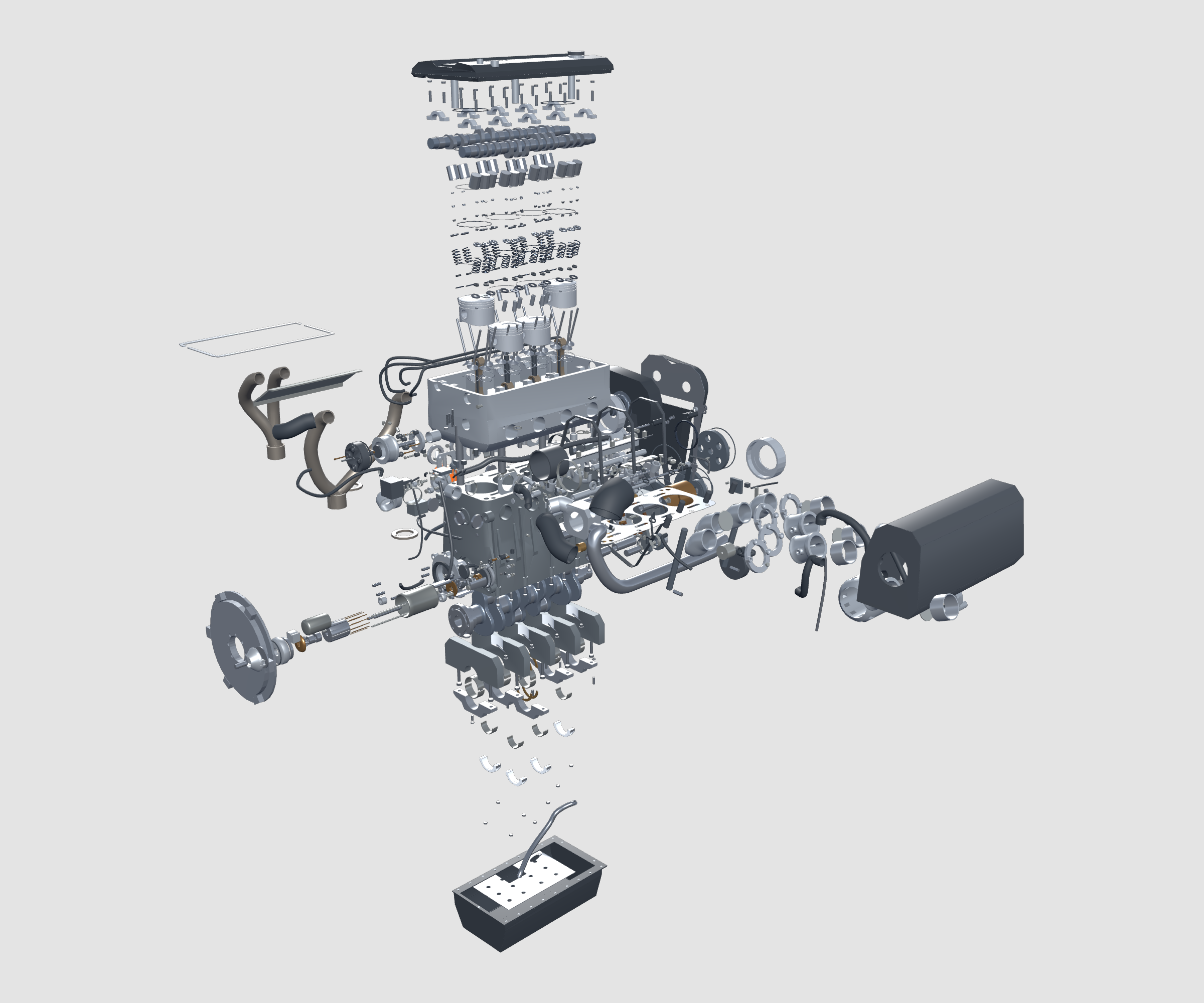 Image 3 of 8
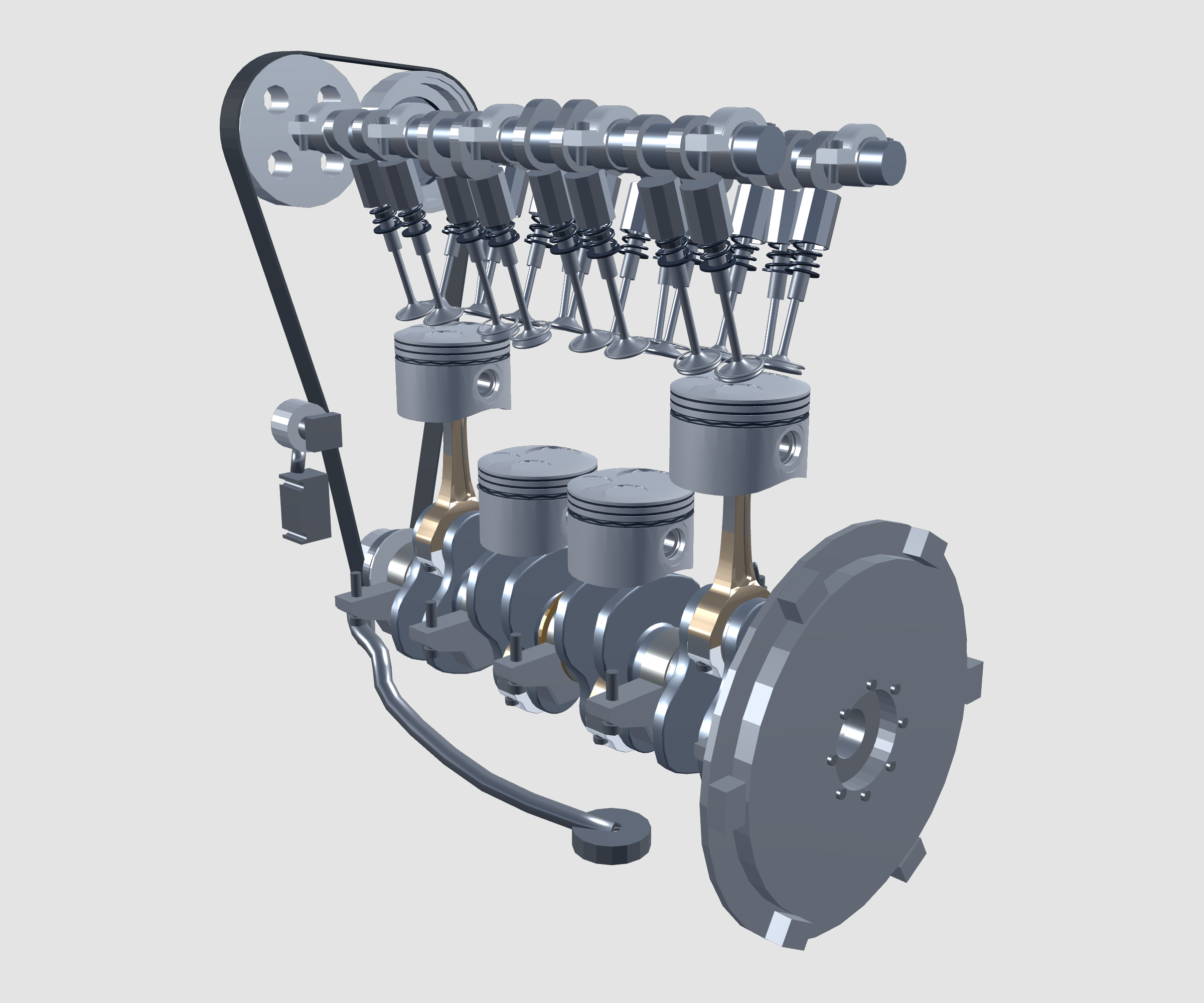 Image 4 of 8
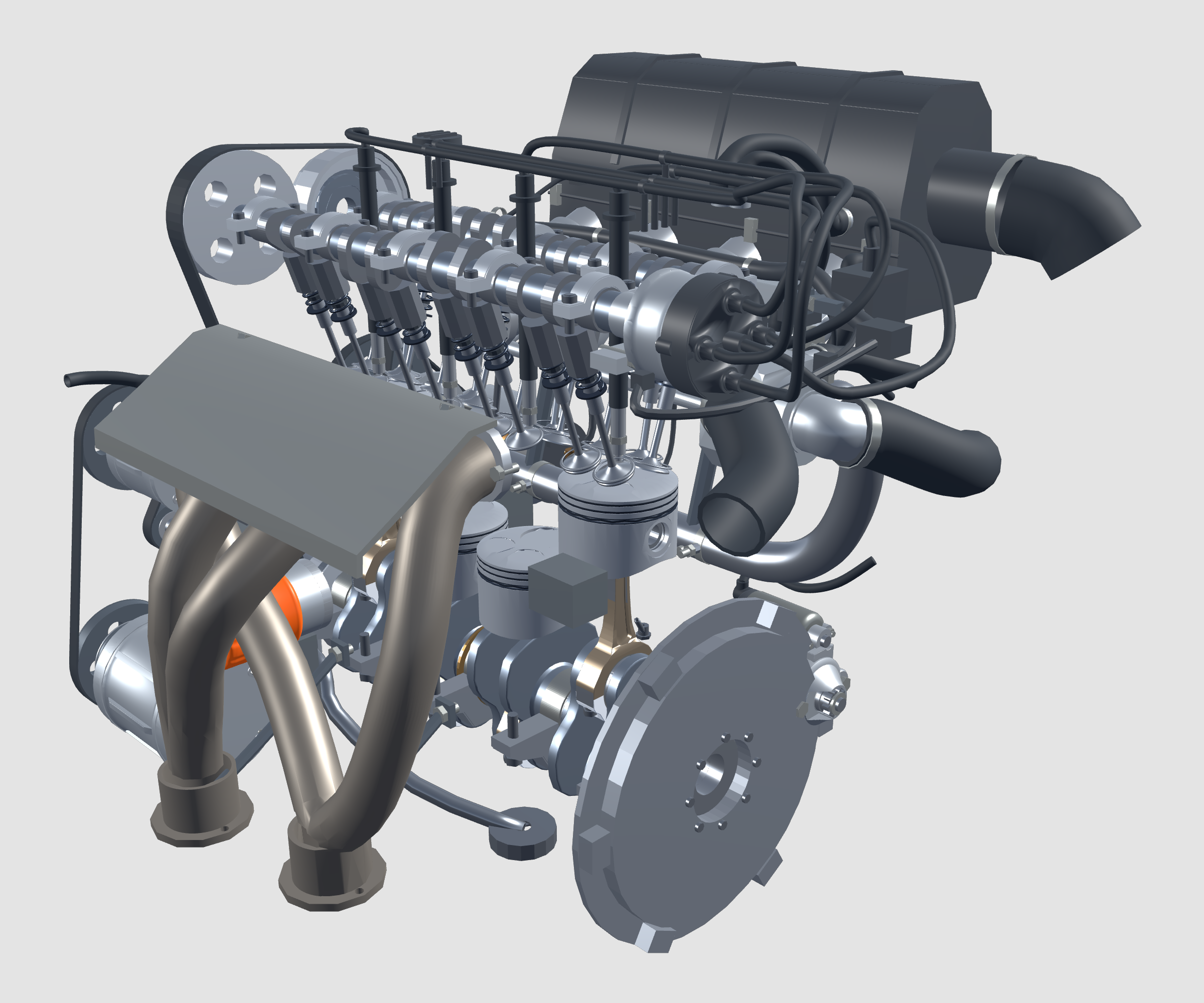 Image 5 of 8
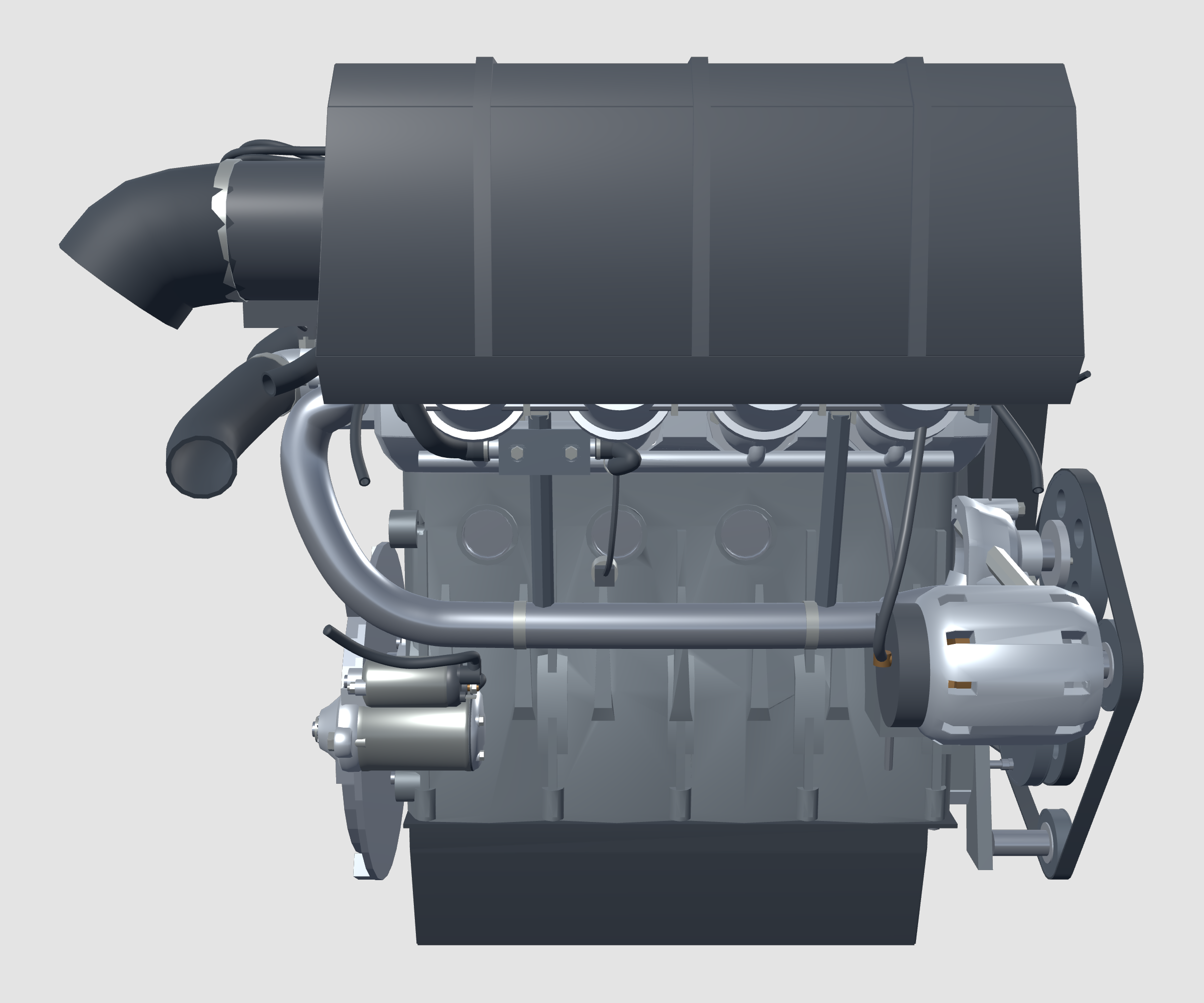 Image 6 of 8
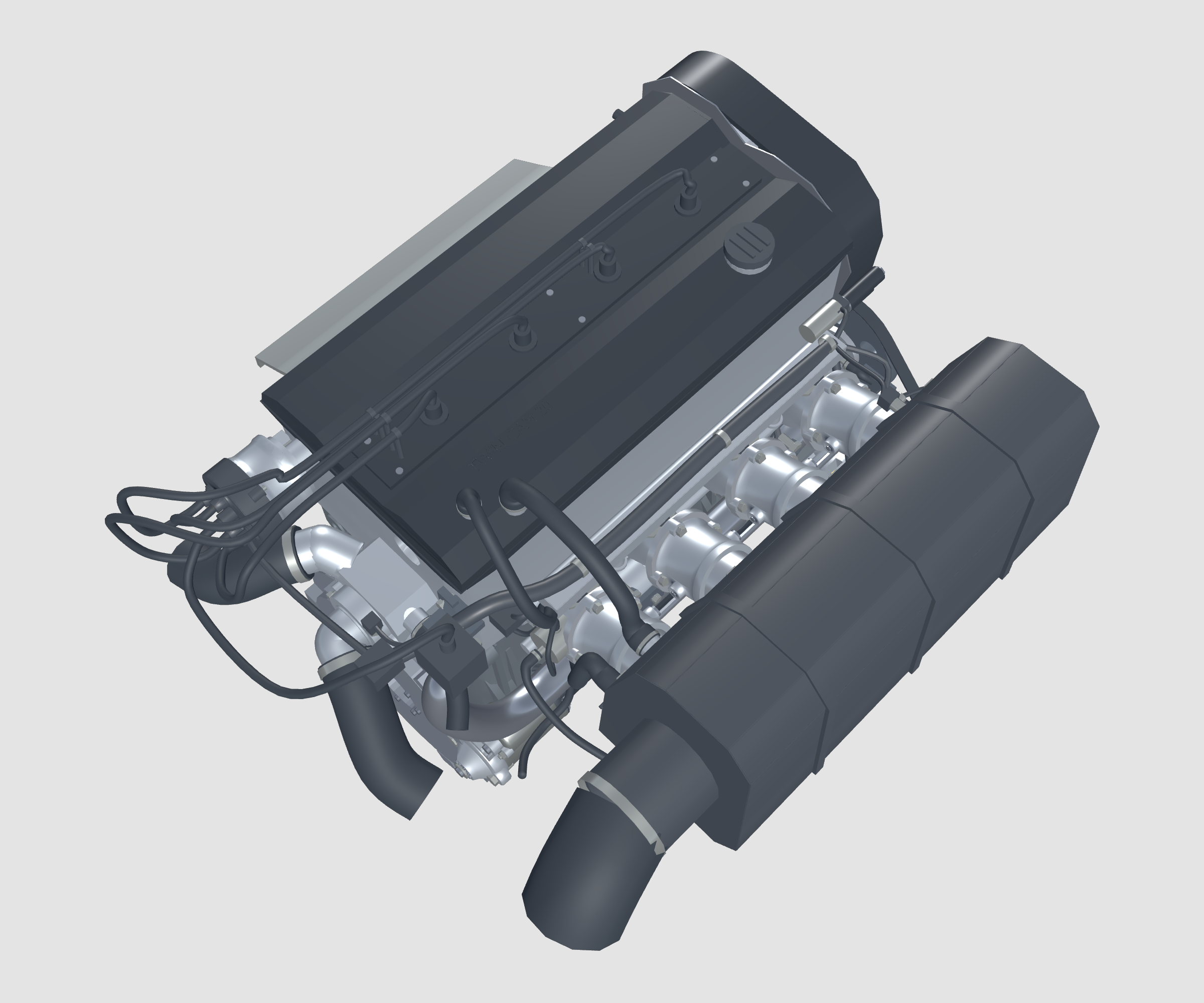 Image 7 of 8
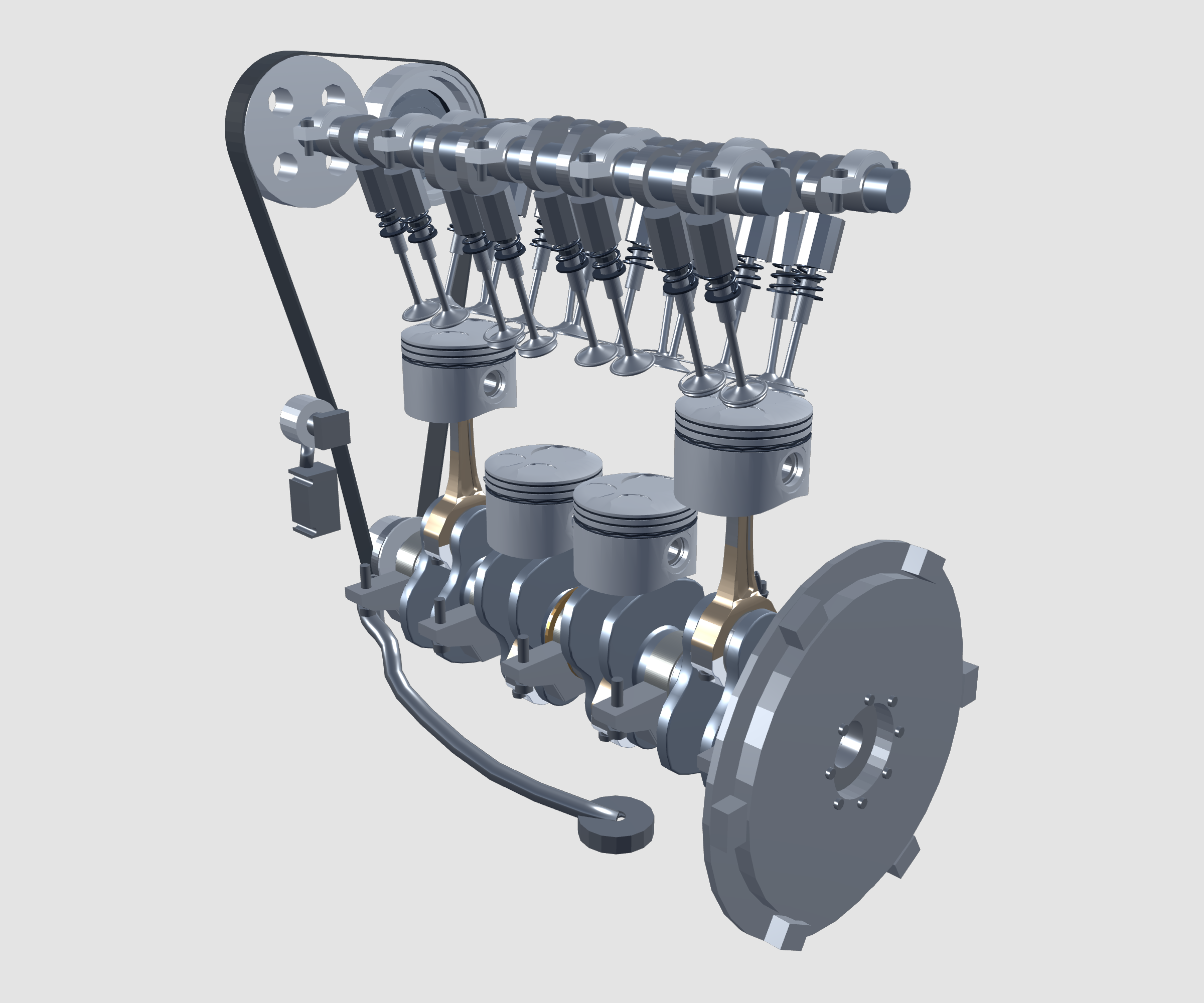 Image 8 of 8
An engine on your desktop / GE-029
Run it. Open it. Explore it.
A transparent, borderless Windows application brings the Toyota Blacktop to your desktop. Orbit, pan and zoom around the assembly, then open it to follow the supplied mechanism.
Interactive educational software. Digital download; no physical engine.
Orbit / Pan / Zoom
Explore the engineering
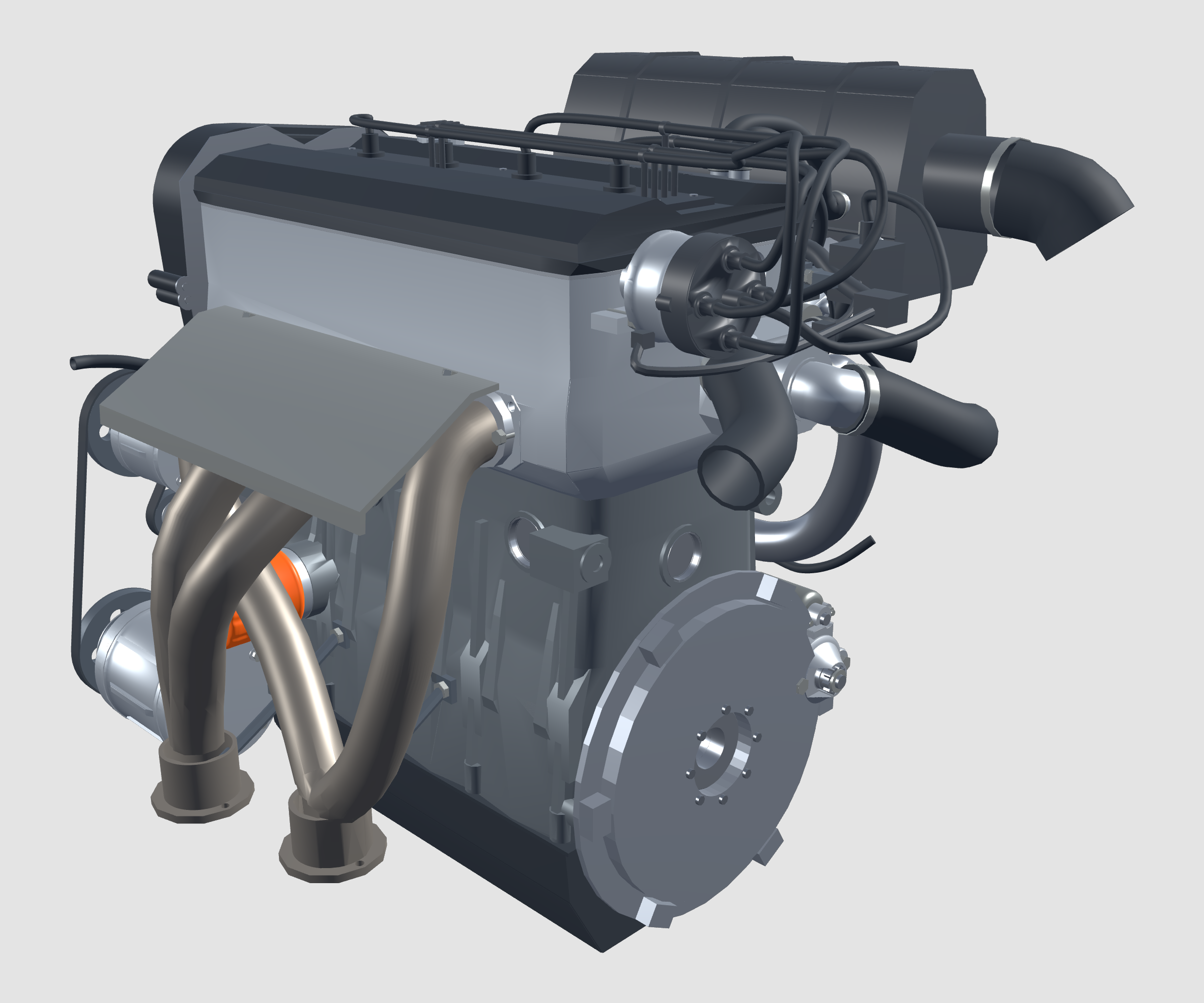
Four cylinders. Twenty valves.
The Blacktop combines four cylinders with a five-valve-per-cylinder head. Rotate the engine to compare the intake, exhaust and rear connections.
This educational reconstruction follows the selected 1995 Toyota 4A-GE 20V Blacktop AE111 reference. It retains the approved source geometry, materials and illustrative intake-only VVT presentation.
Explore the engineering
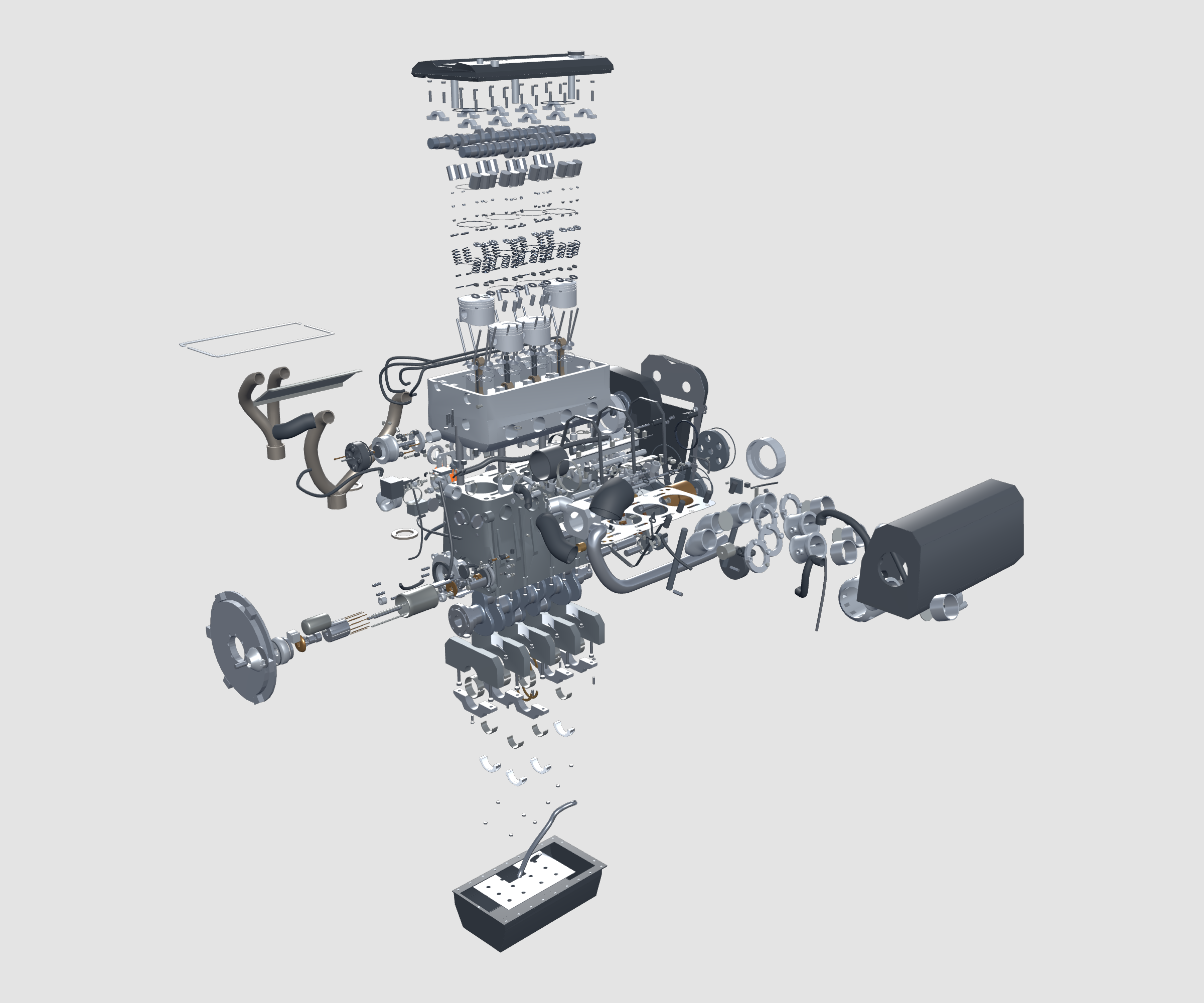
Separate the parts. Follow their arrangement.
The right-hand vertical slider adjusts positional separation. Corresponding valve parts open on common levels, side components move outward, and the intake remains on its original side.
The pistons keep their original centerlines; the crankshaft and each camshaft retain their integral relationships. Switch Explode off to reassemble and on to restore the selected spacing. Component sizes and camera settings do not change automatically. Wide views need manual orbit, pan and zoom. This is an educational breakdown, not a service disassembly sequence.
Explore the engineering
Open a view into the mechanism.
Cutaway removes the designated obstructions and opens selected surfaces so you can examine the supplied mechanism. Move the camera around the engine to compare its internal relationships.
This is a visual inspection aid, not dimensionally certified sectioned CAD. Closed section caps, certified casting-wall thickness and complete hidden passage geometry are not supplied.
Explore the engineering
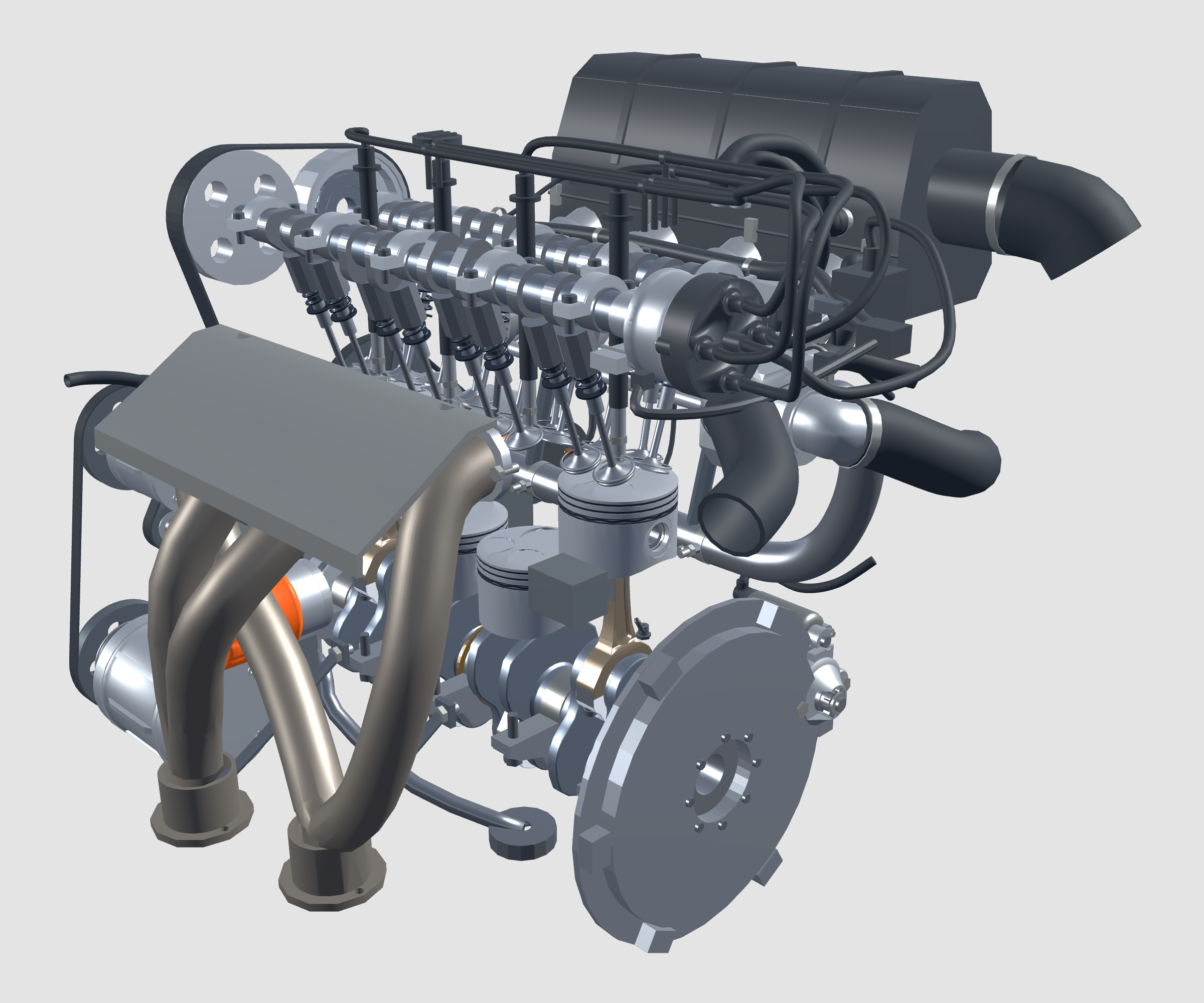
A step between complete and stripped.
The Internal view removes castings and selected major components while keeping surrounding equipment for context. Follow the valve train and lower mechanism without the full exterior.
Inspect cycles through three views: Full, Internal and Drivetrain. Compare the complete engine, expose the internals, then isolate the mechanism.
Explore the engineering
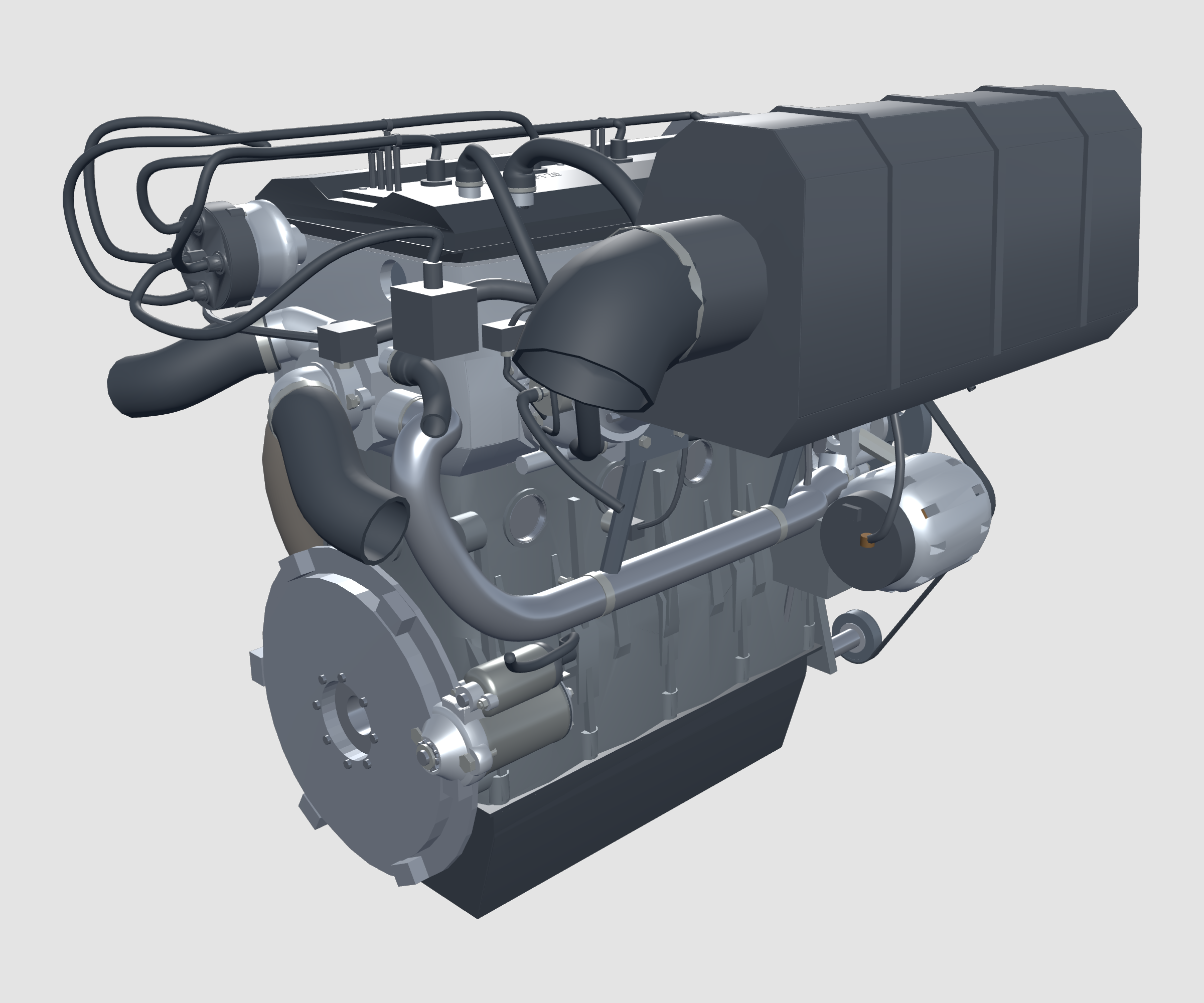
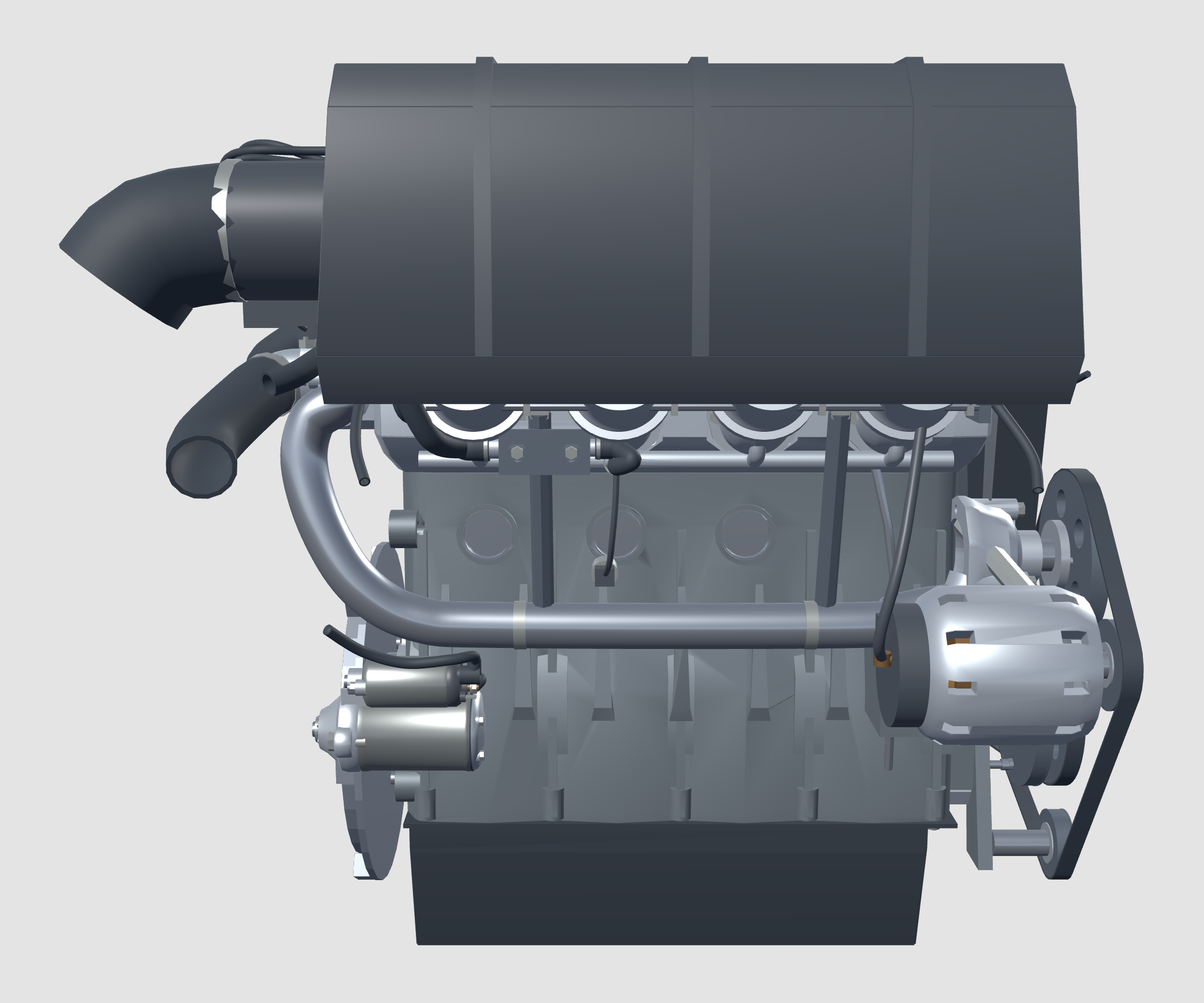
Trace the intake and its connections.
The intake-side view shows the black surge tank, throttle and intake components, block, valve cover and surrounding plumbing. Orbit toward the rear or exhaust side to compare their arrangement.
The service-filter finish, pulley visibility holes and simplified heater plumbing include owner-requested educational details. Selected vehicle connections end at the bare-engine boundary; a complete vehicle or transmission is not supplied.
Explore the engineering
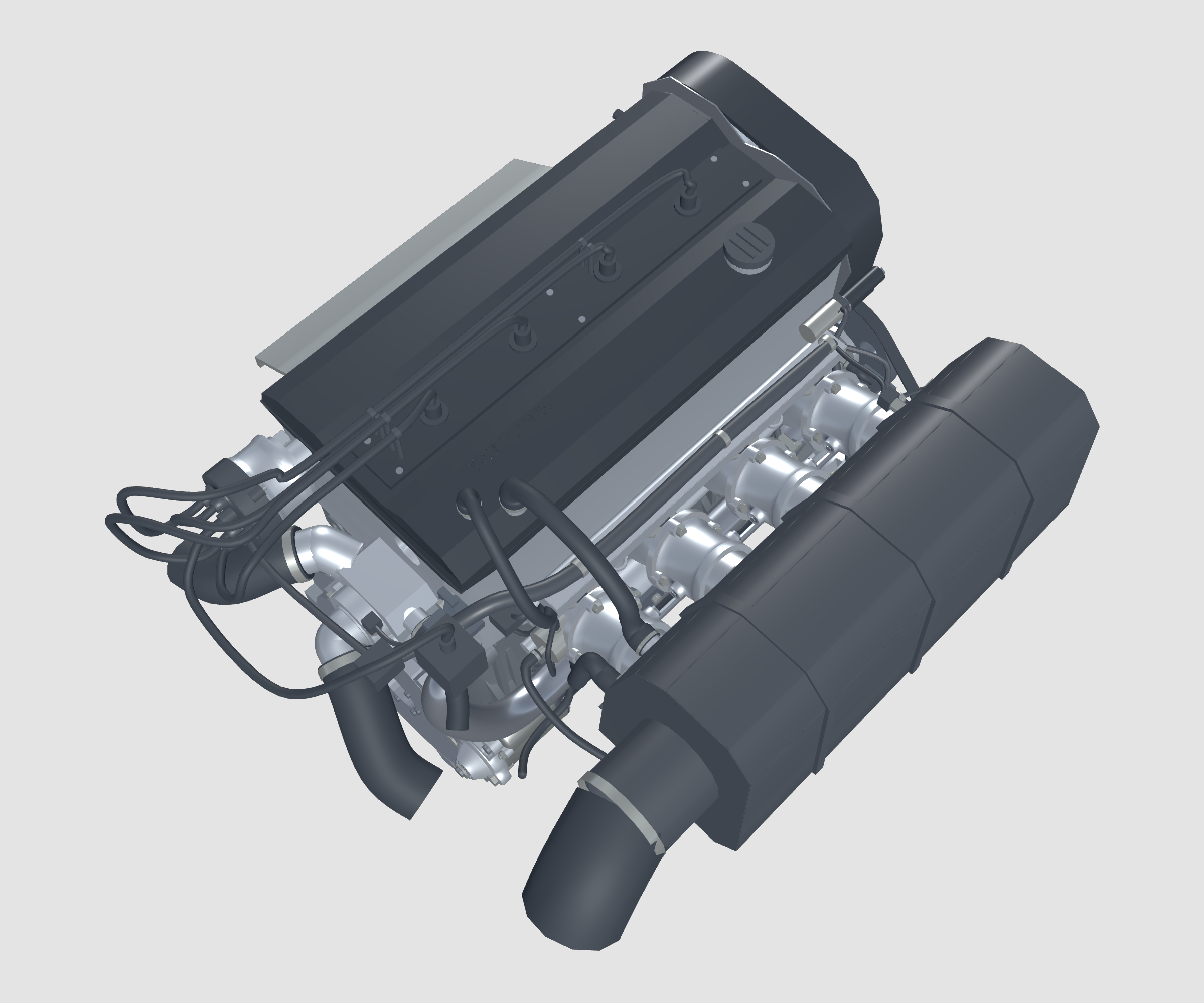
The accepted Blacktop appearance.
The black valve cover and intake contrast with the accepted cast and machined metal finishes. The model preserves its source materials, with no color-palette selector.
Click inside the transparent desktop window to reveal the controls. The menu, Explore panel and sliders fade when the pointer moves away, leaving the engine visible on your desktop.
Explore the engineering
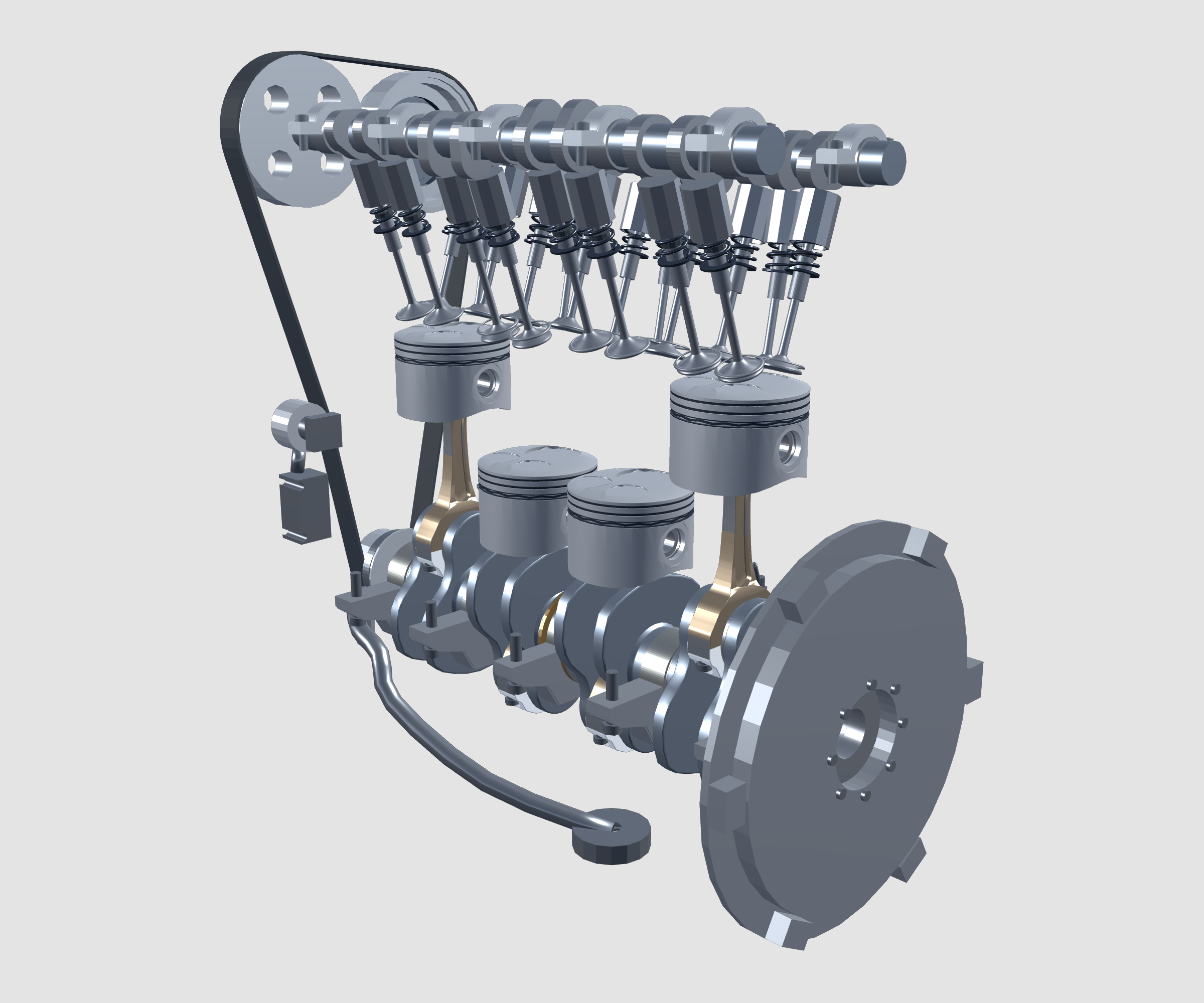
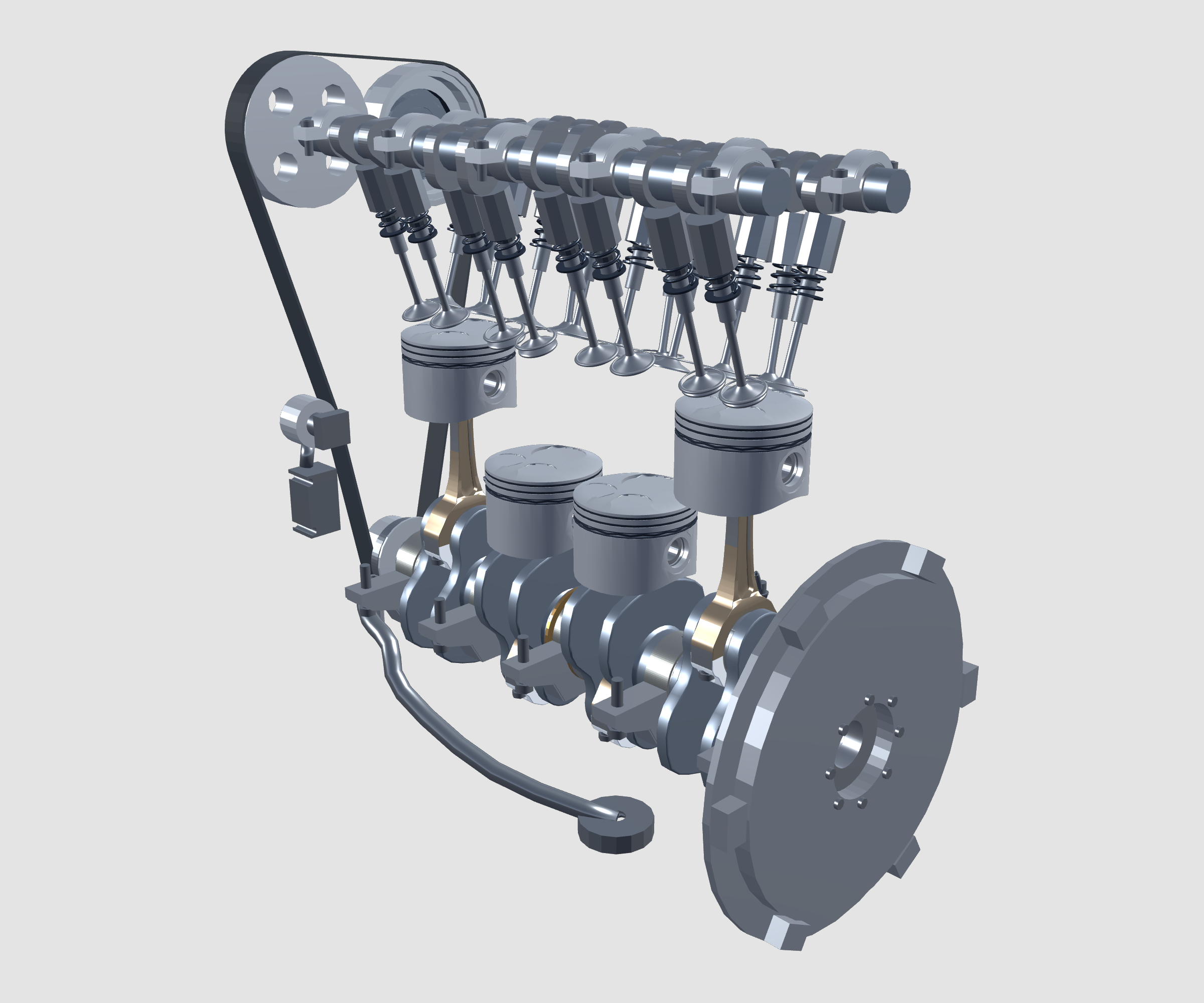
Follow the crankshaft to the valve train.
The Drivetrain view exposes the crankshaft, connecting rods, four pistons, camshafts, valves and associated timing components. Run the supplied motion or pause at a useful position.
Every open starts assembled and running at 100 RPM. The left slider controls 60–2200 RPM presentation speed with an 850 RPM Idle marker. Pulleys rotate while the belt surfaces remain stationary. This is representative educational animation, not a combustion-force, engine-output or factory VVT simulation.
Technical information / Windows download
Ready for your Windows desktop.
Windows x64 digital download — $35.00 USD. GE-029 V1.0. Portable ZIP: 49.45 MB.
Controls and desktop behavior
Click anywhere inside the model window to reveal controls. Left drag places the desktop window; middle drag or arrow keys orbit; right drag pans; wheel or +/− zooms. Shift gives fine keyboard navigation. Space: Run/Pause. E: Explode. C: Cutaway. I: Full / Internal / Drivetrain inspection. R: Reset. L: placement lock. Explore provides camera targets and component identification.
The RPM slider stays on the left, and Explode spacing stays on the right. Explode uses positional separation only. Wider views may require explicit camera navigation. The 60–2200 RPM range controls animation speed; it is not a certified factory operating range. Controls fade when the pointer moves away.
Download and first launch
After checkout, download the ZIP and extract the complete folder to a writable location. Open Wolfgang_GE029_Toyota_Blacktop_RC8.exe. The retained RC8 filename identifies the exact owner-accepted application. Keep its matching .pck and DesktopEngineHost.exe beside it. No Blender or Godot installation is required.
Windows x64 with OpenGL 3.3 support is required. This is a portable application, not an installer. It appears behind ordinary windows; minimize them to see it. Window, camera, lock and separation preferences are saved per product. Every reopen starts assembled and running at 100 RPM.
This program is unsigned. Contact Wolfgang Engineering for launch help; do not disable Windows security. Hardware performance varies. Small screens can constrain the interface, and wide exploded views may require manual camera navigation.
Reference identity and educational scope
Selected subject: 1995 Toyota 4A-GE 20V Blacktop AE111. Four cylinders, a five-valve-per-cylinder head and illustrative intake-only VVT. The Windows model contains 1,316 nonempty mesh components and approximately 1.22 million triangles.
This is an educational reconstruction, not factory CAD, repair instructions, fabrication data or parts-fitment certification. Casting contours, hidden passages, exact cam laws, valve/contact geometry, VVT dynamics and some accessory or vehicle-option interfaces remain approximate or unresolved.
The accepted source retains an existing starter/block/flywheel overlap and an empty lower timing-cover node. Other timing-cover objects remain. Rod cap-side screws, pulley holes, orange fluted filter appearance and simplified heater plumbing include owner-requested variations. The supplied motion represents illustrative retarded VVT; no separate advanced-VVT mode is supplied.
Belt surfaces stay stationary while the pulleys rotate. No engine sound, fluid-flow, refrigerant, electrical, combustion-force or output simulation is included. Fast motion can show display-sampling aliasing. Read the enclosed source qualifications for the full scope.
All eight photographs show the approved Wolfgang Engineering Toyota model. Toyota names identify the subject. Wolfgang Engineering is independent of Toyota.
Product support · Contact Wolfgang Engineering · Engine Library